
In a matter of two weeks, I’ve seen characters in two novels have white women rescue children of color from food insecurity. One of them is Dana Sue on the lovely Netflix series called Sweet Magnolias, based on the books of the same name by Sherryl Woods, a white woman. The show was recommended for my mother’s viewing pleasure, so I thought I’d try it out: three seasons, 30 episodes in total, beautiful actors in beautiful clothes, lots of kissing. It is the perfect mindless summer binge-watching show, until the one episode about Dino Nuggets.
A black boy comes to VBS (Vacation Bible School) and wants high-calorie, low-nutrition Dino Nuggets. Dana Sue, the town chef, has made much healthier choices, but the boy isn’t having it. He wants his Dino Nuggets. After that scene someone explains to Dana Sue that the boy has food insecurity in his household. On a future episode, Dana Sue presents the boy with five (not four, three, two or one, but five!) containers of food for him to take home, one of them being Dino Nuggets.
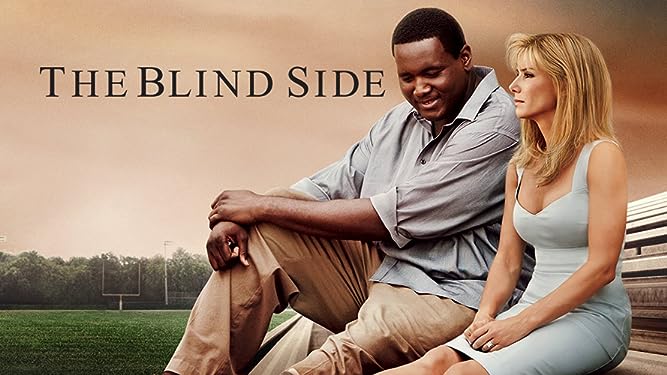
Before I read Ibram X. Kendi’s book on How to Be an Anti-Racist, White Fragility by Robin DiAngelo and The New Jim Crow by Michelle Alexander, I wouldn’t have seen anything wrong with that. I also watched the 1619 Project documentary. The books and documentary point out that the white savior (such as the white mom in the movie The Blind Side) saves the child of color, a story line that people of color hate. The movie focuses on her and how she saved him.
The other example of the white savior complex was in my girlfriend’s 300-page second draft of her novel, which I agreed to read while I was mom-sitting in the Santa Cruz mountains. I’d read the story before, but the new version had a different plot line, although many of the scenes were the same. A new scene that bothered me was when the white woman takes the poor indigenous girl at the Peruvian market to the empanada stand and buys her some lunch since poor Mamá hasn’t sold enough dolls to afford one. There are two things wrong with having the white woman save the day by feeding the hungry indigenous girl since her mom cannot do it.
First of all, the mom knows how much the empanada would cost, so she has wisely brought food from home. She isn’t going to waste her profits on prepared market food. Secondly, like any mother, she would not grant permission for her daughter to leave with a stranger to go get food.
We are so used to this in our culture where a white writer or director puts in these scenes. Now we know that people of color don’t like these themes and consider them to be micro-aggressions. I, too, have been guilty of doing the wrong thing, like complimenting a black woman on her pretty yellow dress, saying that I can’t wear that color.
A good movie to watch for this is You People, produced by Oprah Winfrey. In the movie a white guy (Jonah Hill) gets engaged to a black woman (Lauren London). Julia Louis Dreyfus is the clueless mom, always saying the wrong thing to her future daughter-in-law. I learned that a few things that I’ve done in the past can be considered micro-aggressions. It’s a funny movie but also cringe-worthy while watching how the mom keeps doing and saying the wrong thing, like touching her future daughter-in-law’s hair.
We white people need to rethink a whole bunch of things that perpetuate unintentional racism.

 FIRST DATE, WORST DATE EVER!